

Your Knee Specialists in Camp Hill, PA

Orthopedic Institute of PA has spent decades working with Central PA residents to relieve pain, restore mobility and make sure your body is ready to keep up with you. Our orthopedic knee care specialists in Camp Hill are ready to address your concerns with compassion and use our extensive experience and top-of-the-line technology to give you the best chance at long-term relief.

Whether you need a surgical solution or you’re searching for something minimally invasive to help you thrive, OIP has options for you. Visit our convenient Camp Hill location today and discover the options that await you.

4.9 stars 4.95 out of 5 (1611 reviews)  About star rating
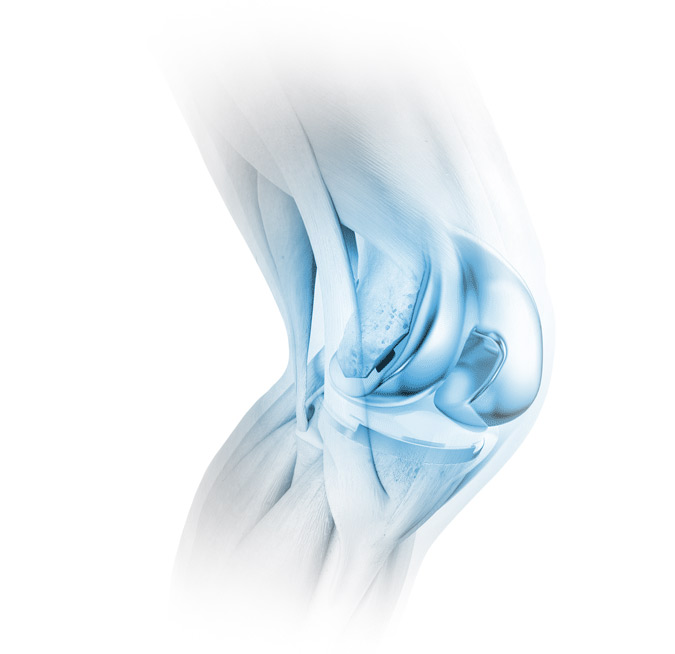
Comprehensive Knee Care in Camp Hill, PA

At OIP, we treat more than your symptoms. While pain, numbness, tingling and related symptoms may be what brought you in, we go deeper to identify the cause and address it directly. Our experience has made us experts in acute and chronic conditions, including:

  • Ligament tears, including the ACL, MCL, PCL and LCL
  • Meniscus tears
  • Arthritis and osteoarthritis
  • Patellar injuries and instability
  • Tendonitis and bursitis
  • Fractures, breaks and dislocations

Whatever your diagnosis, we will develop an individualized treatment plan from the start that incorporates our best practices for relieving knee pain while catering our services to align with your particular goals.

While our board-certified surgeons know that knee surgery is sometimes a must, our approach prioritizes conservative, minimally invasive care that helps you heal faster and get back to what you love sooner. Still, our knee injury treatments in Camp Hill span from the most general pain management to full knee replacement surgery, so you can always feel confident we’ll give you the right care based on your preferences.

Meet Our Camp Hill Knee Doctors

Our professionals are the doctors, surgeons, physician assistants and nurse practitioners of choice for referring physicians across Central PA. We only hire the best experts in orthopedic care so you can feel confident in our capabilities. Search our doctors in Camp Hill and learn which professionals are most prepared to address your condition.

Need specialized help?

We also care for many patients with other less common conditions.

Request an Appointment

Why Choose the Orthopedic Institute of PA?

Whether your symptoms stem from an injury, a degenerative condition or chronic pain, OIP is the place for orthopedic knee care in Camp Hill. Our patient-centered approach ensures we use our decades of experience and advanced technologies in the most effective way for your condition every time. 

From your initial diagnosis through the final days of rehabilitation, we will be there for you in any way we can. We will talk you through noninvasive treatments like physical therapy and corticosteroid injections or help you consider whether a partial or total knee replacement is right for you. Even our most intensive surgeries will have you in and out of our practice within a day and on your way to better comfort and mobility.

Schedule Your Consultation Today

Whether you are a new patient or returning for support, we have appointments open to you now. Use our online portal to schedule your consultation or contact us directly to learn more about our mission and services.

Joint Replacement Specialists

Patient Testimonial

After my hip replacement, I was worried about how long it would take to get back on my feet. The rehab team at OIP was fantastic. They guided me every step of the way, and I’m now walking without any pain!” Brian B., York, PA

Brian B., York, PA

MRI Upper Extremity (Shoulder, Upper Arm, Elbow, Forearm, Wrist, or Hand) Preauthorization Documentation Guidelines

1. Suspicious mass or tumor
      a. On initial evaluation or follow up
2. Staging of known cancer
3. Suspected or known infection (septic arthritis or osteomyelitis)
4. Suspected Osteonecrosis
5. Evaluation of Rheumatoid Arthritis or other autoimmune diseases
6. Evaluation of Post-op Complications
      a. Infection, delayed union, other
7. Suspected fracture with prior imaging non-diagnostic
8. Abnormal bones scan with non-diagnostic Xray
9. Significant injury with suspected ligament, cartilage, tendon, nerve or bone injury with non-diagnostic prior imaging
      a. Suspected massive rotator cuff tear
10. Evaluation of pain or more minor injury with initial imaging non-diagnostic:
      a. Pain lasting 3 months or greater
      b. Failed conservative therapy: Must include each one:
           i. Rest: modified activities or assistive devices/rigid splints or braces
           ii. Ice or heat
           iii. Medications and/or injections
           iv. Physical therapy or a physician directed home exercise program
           or chiropractic care
                1. Document instructions given
                2. Document compliance and results
                3. Document duration and dates

MRI Spine Preauthorization Documentation Criteria

1. Tumor, masses, or cancer: suspected or known
2. Neurological Deficits
3. Trauma or acute injury
       a. With neurological deficits
       b. With progressive symptoms during conservative treatment
4. Infection: known or suspected
5. Inflammation: Ankylosing Spondylitis
6. Pre-op Evaluation
7. Post-op Complications
8. Acute or Chronic Axial or radicular pain
       a. Pain lasting 6 weeks or greater
       b. ADLs must be affected
       c. Progressive neurological deficit or an abnormal EMG
             i. Must document specific dermatome, muscle weakness, reflex
abnormalities
       d. Failed conservative therapy: Must include each one:
             i. Rest: modified activities or bracing
             ii. Ice or heat
             iii. Medications, acupuncture or stimulators
                   1. Specific name of medication start date and duration and
                   results
             iv. Epidurals or other injections (not trigger point injections)
             v. Physical therapy or a physician directed home exercise program
             or chiropractic care
                   1. Document instructions given
                   2. Document compliance and results
                   3. Document duration and dates

MRI Pelvis Preauthorization Documentation Criteria

1. Musculoskeletal Pelvic MRI:
     a. Mass or tumor
    b. Significant injury to rule out fracture or other injury
    c. Osteonecrosis of hips
    d. Sacroiliitis
    e. Sacroiliac joint dysfunction
    f. Pain lasting 3 months or greater
    g. Failed conservative therapy: Must include each one:
            i. Rest: modified activities or assistive devices/rigid
            splints or braces
            ii. Ice or heat
            iii. Medications and/or injections
            iv. Physical therapy or a physician directed home
            exercise program or chiropractic care
                    1. Document instructions given
                    2. Document compliance and results
                    3. Document duration
    h. Persistent Pain not responsive to 4 weeks of conservative treatment

2. Prostate Cancer Evaluation, follow up, and surveillance

3. Mass or Tumors

4. Cancer detection, staging, or surveillance
    a. 3, 6, or 12 month follow up

5. Infection:
        a. Appendicitis
        b. Diverticulitis not responding to conservative care
        c. Inflammatory bowel disease
        d. Abscess suspected
        e. Fistula
        f. Abnormal fluid collection

6. Pelvic Floor failure

7. Uterine abnormalities

8. Undescended Testes

9. Pre-op Evaluation

10. Post-op Complication

MRI Lower Extremity (Hip, Knee, Leg, Ankle, or Foot) Preauthorization Documentation Guidelines

1. Suspicious Mass or Tumor
       a. On initial evaluation or follow up
2. Staging of known Cancer
3. Known or suspected infection
4. Suspected Osteonecrosis or Legg-Calve-Perthes Disease
5. Suspected SCFE, tarsal coaltion
6. Evaluation of Post-op complication:
       a. Infection, delayed union, other
7. Suspected fracture with prior imaging non-diagnostic
8. Abnormal bone scan with non-diagnostic xray
9. Significant injury with suspected ligament, cartilage, or bone injury
10. Evaluation of pain or more minor injury with initial imaging negative:
       a. Pain lasting 3 months or greater
       b. Failed conservative therapy: Must include each one:
             i. Rest: modified activities or assistive devices/rigid splints or braces
             ii. Ice or heat
             iii. Medications and/or injections
             iv. Physical therapy or a physician directed home exercise program orchiropractic care
                  1. Document instructions given
                   2. Document compliance and results
                   3. Document duration

MRI Chest Preauthorization Documentation Guidelines

1. Mediastinal or hilar mass
2. Myasthenia gravis with suspected thymoma
3. Brachial Plexus Dysfunction
4. Thoracic/Thoracoabdominal aneurysm
5. Suspected or confirmed Congenital Heart Disease
6. Thoracic Outlet Syndrome

MRI Brain Preauthorization Documentation Criteria

1. Suspected or known MS
2. Seizure disorder, known or suspected new or refractory
3. Suspected Parkinson’s disorder
4. Neurological symptoms or deficits
     a. Acute, new or fluctuating deficits
5. Mental status changes
6. Trauma to the head with neurological changes, vomiting, headache
7. Evaluation of headaches
      a. Chronic with change in pattern/character
      b. Sudden onset severe headache
      c. New onset headache in pregnancy
8. Suspected brain tumor or cancer
9. Known or suspected stroke
10. Suspected Infection
11. Suspected Congenital abnormality
12. New onset tinnitus or vertigo associated with visual changes

MRI Abdomen and MRCP Preauthorization Documentation Criteria

MRI
1. Suspicious Mass or Tumor
2. Surveillance of Mass, Tumor, or Cancer    
      a. 3, 6, 12 month follow up
3. Suspected infection:
      a. Appendicitis
      b. Peritonitis
      c. Pancreatitis
      d. Inflammatory bowel disease
      e. Cholecystitis
      f. Abscess
      g. Fistula
      h. Hepatitis C
4. Preoperative Evaluation
5. Post-op complication

MRCP
1. Suspected Congenital Abnormality
2. Chronic pancreatitis or related complications
3. Biliary tree symptoms
4. Pre-op Evaluation
5. Post-op complication or surveillance
6. Inconclusive abnormalities identified on other imaging