


Anterior Hip Replacement

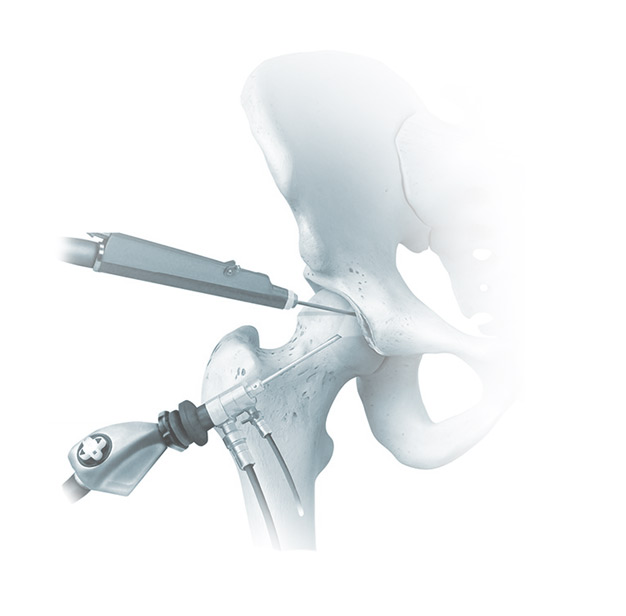
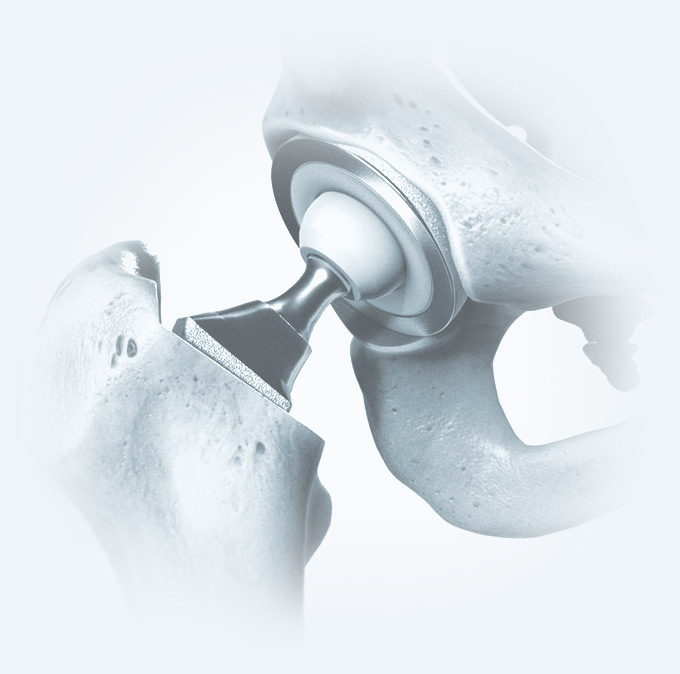
An anterior hip replacement is a minimally invasive surgical technique that accesses the hip joint from the front of the leg rather than the side or back. This approach allows a surgeon to work between the muscles rather than cutting through them to reach the joint, as previously done in traditional posterior hip replacement surgery. As a result, surgeons can replace the damaged joint with less trauma to the surrounding soft tissues, encouraging faster healing.

At the Orthopedic Institute of PA (OIP), our team of experts can help relieve your hip joint pain, increase your mobility and improve your quality of life.

4.9 stars 4.95 out of 5 (1611 reviews)  About star rating

Benefits of Choosing
Minimally Invasive Hip Surgery

With advances in medical technology, minimally invasive hip surgery is now possible. Surgeons at OIP and beyond train extensively in this technique to provide patients with the following benefits:

  • Shorter hospital stay: Many patients who qualify for outpatient surgery go home the next day because the procedure is less invasive.
  • Accelerated recovery: Sparing the muscles during surgical incisions allows patients to walk sooner, often within hours of surgery, compared to days.
  • Reduced post-operative pain: Because muscles remain attached and uncut, patients tend to experience less pain during rehabilitation.
  • Fewer movement restrictions: With anterior hip replacements, patients rarely need to follow strict post-operative precautions because the risk of dislocation is lower.

Need specialized help?

We also care for many patients with other less common conditions.

Request an Appointment

Conditions Suitable for
Anterior Hip Replacement

An anterior hip joint replacement is a suitable option when nonsurgical treatments like medication and therapy no longer provide relief. This procedure addresses severe hip joint damage and pain, restoring mobility to those experiencing:

  • Osteoarthritis: A condition where cartilage wears down and causes bone-on-bone friction.
  • Rheumatoid arthritis: A chronic autoimmune disease that causes inflammation, pain, swelling and stiffness.
  • Post-traumatic arthritis: A form of arthritis that develops over time following a joint injury.
  • Avascular necrosis: A condition that involves compromised bone tissue from a lack of blood supply.

Who Is a Good Candidate for an Anterior Hip Replacement?

If you are experiencing hip pain and want to return to an active lifestyle quickly, you may be a good candidate for anterior hip replacement. While most patients can be eligible, some complex revision cases or specific anatomical issues may require a different approach.

board-certified surgeon at OIP will meet with you during a one-on-one consultation to determine your candidacy based on bone structure and overall health.

Understanding the Recovery Process

At OIP, we follow a rapid recovery protocol to help patients get back on their feet after anesthesia wears off. We understand that recovery is more than a one-size-fits-all approach, which is why we create personalized timelines for each patient. Together, we can help you progress from using a walker or cane to independently walking in weeks. OIP has a phenomenal physical therapy program that will guide you every step of the way.

Trust OIP for Your Hip Replacement Surgery

The surgeons at OIP are partners in your mobility, using knowledge to help you recover faster. Experience world-class surgical expertise here in Central PA. Schedule a consultation with our team today to see if an anterior hip replacement is right for you.

Hip Specialists

Patient Testimonial

After my hip replacement, I was worried about how long it would take to get back on my feet. The rehab team at OIP was fantastic. They guided me every step of the way, and I’m now walking without any pain!” Brian B., York, PA

Brian B., York, PA

MRI Upper Extremity (Shoulder, Upper Arm, Elbow, Forearm, Wrist, or Hand) Preauthorization Documentation Guidelines

1. Suspicious mass or tumor
      a. On initial evaluation or follow up
2. Staging of known cancer
3. Suspected or known infection (septic arthritis or osteomyelitis)
4. Suspected Osteonecrosis
5. Evaluation of Rheumatoid Arthritis or other autoimmune diseases
6. Evaluation of Post-op Complications
      a. Infection, delayed union, other
7. Suspected fracture with prior imaging non-diagnostic
8. Abnormal bones scan with non-diagnostic Xray
9. Significant injury with suspected ligament, cartilage, tendon, nerve or bone injury with non-diagnostic prior imaging
      a. Suspected massive rotator cuff tear
10. Evaluation of pain or more minor injury with initial imaging non-diagnostic:
      a. Pain lasting 3 months or greater
      b. Failed conservative therapy: Must include each one:
           i. Rest: modified activities or assistive devices/rigid splints or braces
           ii. Ice or heat
           iii. Medications and/or injections
           iv. Physical therapy or a physician directed home exercise program
           or chiropractic care
                1. Document instructions given
                2. Document compliance and results
                3. Document duration and dates

MRI Spine Preauthorization Documentation Criteria

1. Tumor, masses, or cancer: suspected or known
2. Neurological Deficits
3. Trauma or acute injury
       a. With neurological deficits
       b. With progressive symptoms during conservative treatment
4. Infection: known or suspected
5. Inflammation: Ankylosing Spondylitis
6. Pre-op Evaluation
7. Post-op Complications
8. Acute or Chronic Axial or radicular pain
       a. Pain lasting 6 weeks or greater
       b. ADLs must be affected
       c. Progressive neurological deficit or an abnormal EMG
             i. Must document specific dermatome, muscle weakness, reflex
abnormalities
       d. Failed conservative therapy: Must include each one:
             i. Rest: modified activities or bracing
             ii. Ice or heat
             iii. Medications, acupuncture or stimulators
                   1. Specific name of medication start date and duration and
                   results
             iv. Epidurals or other injections (not trigger point injections)
             v. Physical therapy or a physician directed home exercise program
             or chiropractic care
                   1. Document instructions given
                   2. Document compliance and results
                   3. Document duration and dates

MRI Pelvis Preauthorization Documentation Criteria

1. Musculoskeletal Pelvic MRI:
     a. Mass or tumor
    b. Significant injury to rule out fracture or other injury
    c. Osteonecrosis of hips
    d. Sacroiliitis
    e. Sacroiliac joint dysfunction
    f. Pain lasting 3 months or greater
    g. Failed conservative therapy: Must include each one:
            i. Rest: modified activities or assistive devices/rigid
            splints or braces
            ii. Ice or heat
            iii. Medications and/or injections
            iv. Physical therapy or a physician directed home
            exercise program or chiropractic care
                    1. Document instructions given
                    2. Document compliance and results
                    3. Document duration
    h. Persistent Pain not responsive to 4 weeks of conservative treatment

2. Prostate Cancer Evaluation, follow up, and surveillance

3. Mass or Tumors

4. Cancer detection, staging, or surveillance
    a. 3, 6, or 12 month follow up

5. Infection:
        a. Appendicitis
        b. Diverticulitis not responding to conservative care
        c. Inflammatory bowel disease
        d. Abscess suspected
        e. Fistula
        f. Abnormal fluid collection

6. Pelvic Floor failure

7. Uterine abnormalities

8. Undescended Testes

9. Pre-op Evaluation

10. Post-op Complication

MRI Lower Extremity (Hip, Knee, Leg, Ankle, or Foot) Preauthorization Documentation Guidelines

1. Suspicious Mass or Tumor
       a. On initial evaluation or follow up
2. Staging of known Cancer
3. Known or suspected infection
4. Suspected Osteonecrosis or Legg-Calve-Perthes Disease
5. Suspected SCFE, tarsal coaltion
6. Evaluation of Post-op complication:
       a. Infection, delayed union, other
7. Suspected fracture with prior imaging non-diagnostic
8. Abnormal bone scan with non-diagnostic xray
9. Significant injury with suspected ligament, cartilage, or bone injury
10. Evaluation of pain or more minor injury with initial imaging negative:
       a. Pain lasting 3 months or greater
       b. Failed conservative therapy: Must include each one:
             i. Rest: modified activities or assistive devices/rigid splints or braces
             ii. Ice or heat
             iii. Medications and/or injections
             iv. Physical therapy or a physician directed home exercise program orchiropractic care
                  1. Document instructions given
                   2. Document compliance and results
                   3. Document duration

MRI Chest Preauthorization Documentation Guidelines

1. Mediastinal or hilar mass
2. Myasthenia gravis with suspected thymoma
3. Brachial Plexus Dysfunction
4. Thoracic/Thoracoabdominal aneurysm
5. Suspected or confirmed Congenital Heart Disease
6. Thoracic Outlet Syndrome

MRI Brain Preauthorization Documentation Criteria

1. Suspected or known MS
2. Seizure disorder, known or suspected new or refractory
3. Suspected Parkinson’s disorder
4. Neurological symptoms or deficits
     a. Acute, new or fluctuating deficits
5. Mental status changes
6. Trauma to the head with neurological changes, vomiting, headache
7. Evaluation of headaches
      a. Chronic with change in pattern/character
      b. Sudden onset severe headache
      c. New onset headache in pregnancy
8. Suspected brain tumor or cancer
9. Known or suspected stroke
10. Suspected Infection
11. Suspected Congenital abnormality
12. New onset tinnitus or vertigo associated with visual changes

MRI Abdomen and MRCP Preauthorization Documentation Criteria

MRI
1. Suspicious Mass or Tumor
2. Surveillance of Mass, Tumor, or Cancer    
      a. 3, 6, 12 month follow up
3. Suspected infection:
      a. Appendicitis
      b. Peritonitis
      c. Pancreatitis
      d. Inflammatory bowel disease
      e. Cholecystitis
      f. Abscess
      g. Fistula
      h. Hepatitis C
4. Preoperative Evaluation
5. Post-op complication

MRCP
1. Suspected Congenital Abnormality
2. Chronic pancreatitis or related complications
3. Biliary tree symptoms
4. Pre-op Evaluation
5. Post-op complication or surveillance
6. Inconclusive abnormalities identified on other imaging